
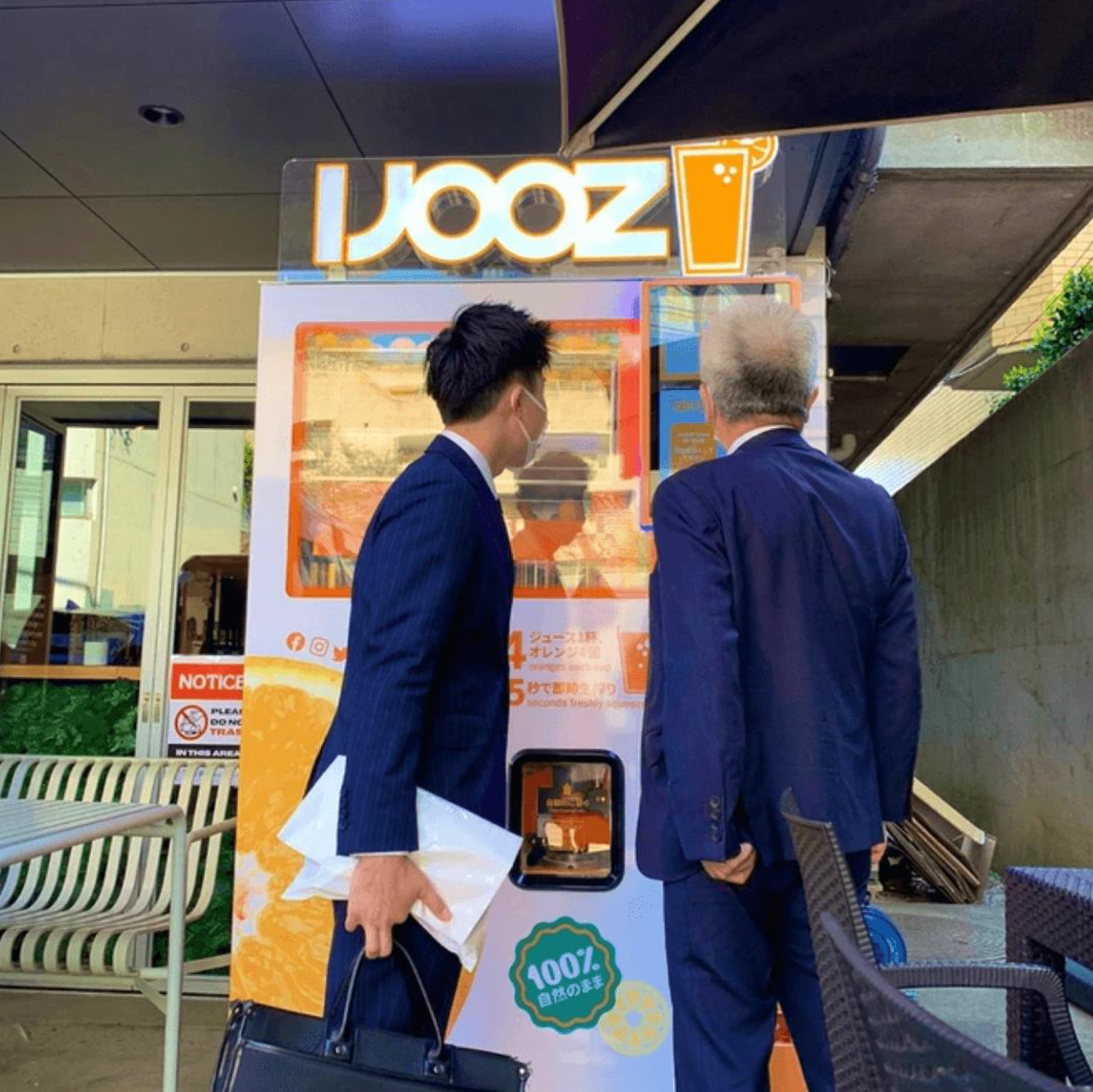
Hong Kong is an interesting market for fresh orange juice vending because convenience retail is familiar, space is expensive and customer traffic can be concentrated in transport, commercial and shopping locations. IJOOZ's presence in Hong Kong provides visible evidence that automated fresh juice can be deployed in this environment. For someone considering an independent vending project, however, the important question is not whether the concept exists in Hong Kong. It is what a high-cost, high-density city means for location economics, operations and the machine that will be purchased.
High Footfall Does Not Remove the Cost Problem
A dense city creates many potential vending locations, but premium traffic often comes with premium commercial terms. A machine in a transport-linked property, major shopping centre or Grade A office environment may reach a valuable customer base while also facing rent, revenue share, access rules or other site requirements. The buyer therefore needs to evaluate expected cup sales together with the cost of securing and servicing the location. A busy site is only commercially attractive when the contribution generated by sales can support the location and operating costs.
Compact unattended retail can be attractive in this environment because it requires less dedicated shop space and staffing than a traditional juice shop, but that advantage should not be confused with guaranteed profitability. The quality of the location agreement, selling price and operating efficiency still determine whether the machine makes commercial sense.
Operations Matter More as the Network Grows
Fresh juice vending still requires physical operations behind the customer-facing machine. Oranges must be sourced and stored, machines replenished and cleaned, and faults dealt with quickly enough to protect sales. In a dense city, travel distances can be short while loading access, parking, building rules and service windows create their own constraints. A buyer planning several machines should therefore consider replenishment routes, fruit storage and remote machine visibility from the beginning rather than treating these as problems to solve only after expansion.
Machine configuration should reflect that plan. Capacity affects how often a strong location needs attention, payment compatibility affects customer convenience, refrigeration and cleaning affect daily operation, and remote information can reduce unnecessary site visits. The value of equipment is therefore connected to how efficiently the operator can keep each location selling.
What This Means for a Buyer
IJOOZ can be used as evidence that Hong Kong customers and property environments can accommodate automated fresh orange juice retail, but an independent buyer still needs to build a model around their own locations and costs. The sensible first step is to identify a realistic site, understand the commercial terms and service access, then select a machine that fits the expected sales and operating plan. A pilot can establish real demand before a larger network is ordered.
TECHX32 works with buyers who want to own and operate fresh orange juice vending equipment. If you are considering Hong Kong or another dense urban market, send us your city, planned location type, quantity, payment requirements and expected launch timing. We can discuss the appropriate machine setup and prepare a quotation.