
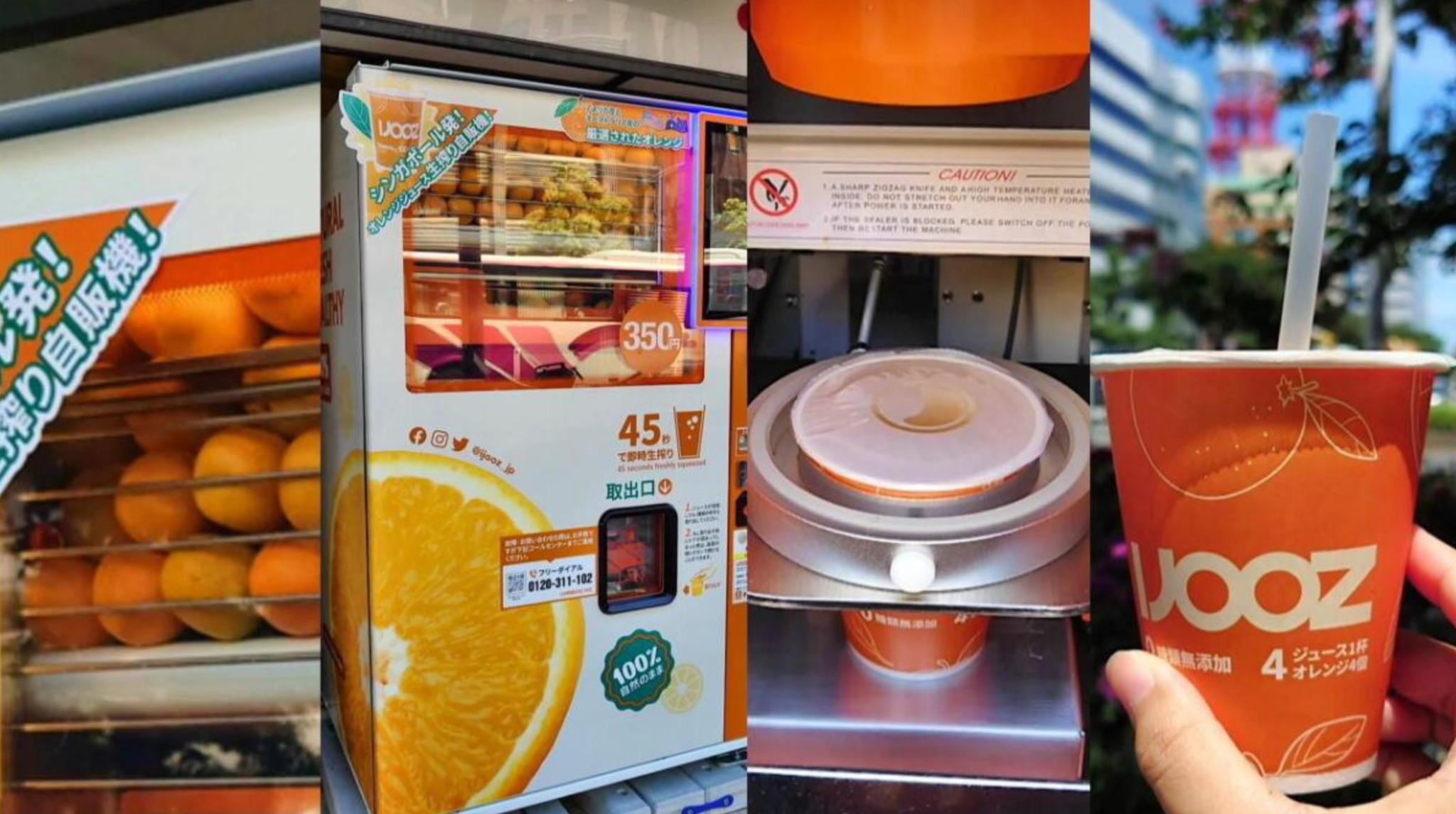
Buying an orange juice vending machine should begin with the business you intend to operate, not with a list of machine specifications. Two machines can both produce fresh orange juice while creating very different requirements for replenishment, cleaning, payments, monitoring and maintenance. The better buying decision is therefore the machine that fits the expected location, sales volume and operating model at an acceptable total cost, rather than simply the machine with the lowest purchase price.
Start With the Intended Operation
Before comparing equipment, define where the machine will be placed, how many cups the location may need to serve, how often staff can replenish it and which payment methods customers expect. A first machine in a controlled office environment has different operating requirements from a public machine in a busy transport or shopping location. These answers determine which specifications matter most and prevent a buyer from paying for features that do not solve a real requirement or choosing equipment that becomes difficult to operate after installation.
Fruit capacity deserves particular attention because it connects sales directly to labour and logistics. Higher capacity can reduce refill frequency at a busy site, while a lower-volume location may not need the same storage. Refrigeration, juicing process, cup handling, cleaning design and physical access for service should be evaluated as operating features rather than isolated technical numbers.
Compare the Systems Around the Juicer
A commercial vending machine also needs to collect payment and remain manageable when no employee is standing beside it. Buyers should confirm payment compatibility for the target market, connectivity requirements and what remote information the system can provide. Sales data, stock or machine-status information can become increasingly useful as the number of locations grows because the operator can plan visits around actual requirements rather than checking every machine manually.
Maintenance and spare-parts supply should be examined before purchase as well. Ask what routine maintenance is expected, which components are consumable, how faults are diagnosed, whether remote technical support is available and how replacement parts are supplied. Shipping, import costs, installation requirements and initial spare parts should also be included when comparing quotations, because the cheapest equipment price does not necessarily produce the lowest practical cost after the machine reaches the market.
Buy for the Pilot, but Plan for the Network
A first machine should be capable of proving the business without forcing the buyer to design a full-scale network immediately. The pilot can establish actual sales, fruit usage, refill frequency, customer payment behaviour and maintenance requirements. Those results can then determine whether the same configuration should be repeated or adjusted before additional machines are ordered. At the same time, a buyer who expects to scale should check that the equipment and support model will still be manageable when the project grows beyond one location.
TECHX32 sells orange juice vending machines and works with buyers from project requirements through quotation. Instead of comparing equipment only by headline price, send us your country, city, planned location, required quantity, payment method and expected launch timing. We can use those details to discuss the appropriate machine configuration and prepare a quotation for the project.