
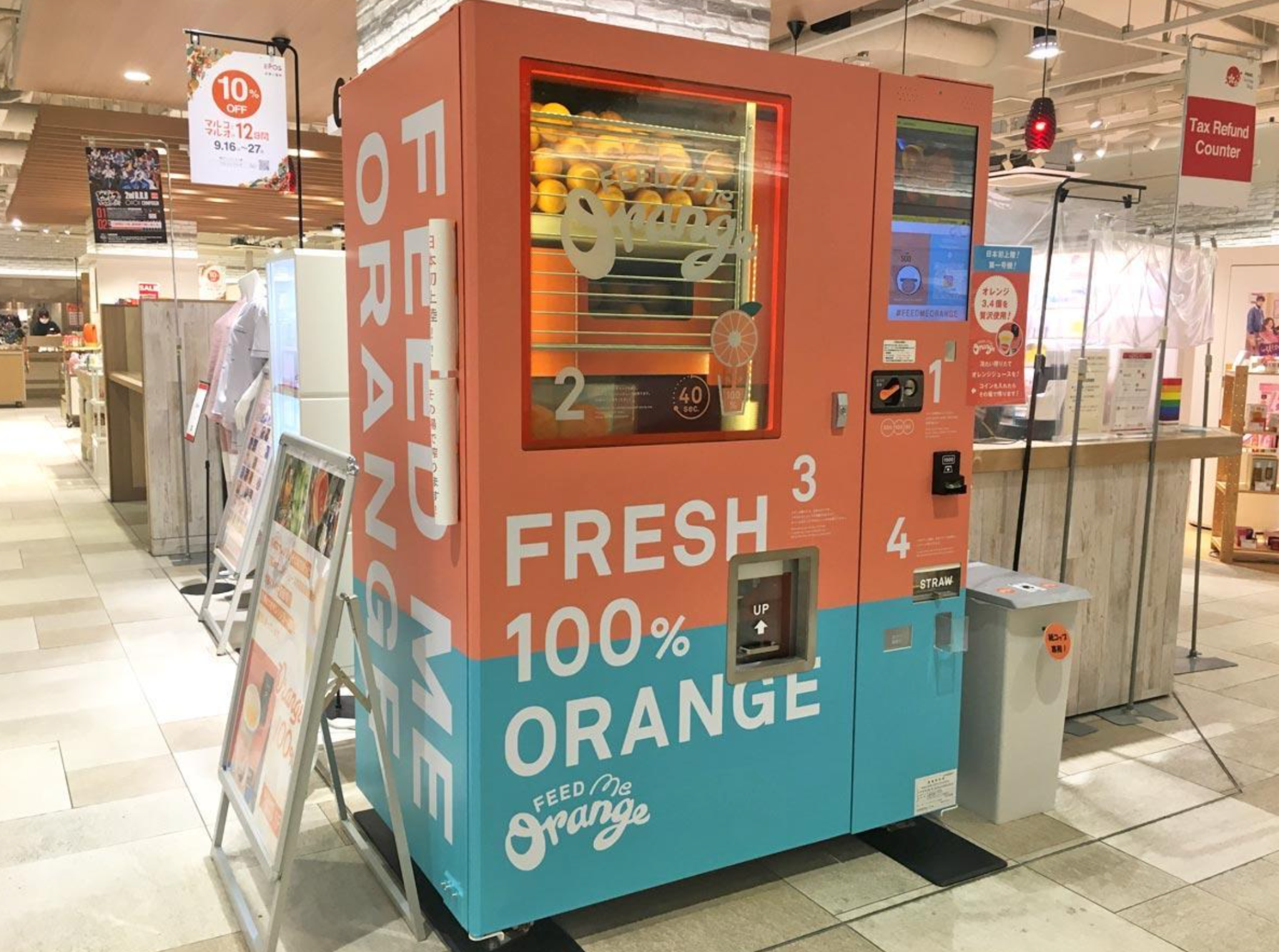
The best location for an orange juice vending machine is not automatically the place with the highest footfall. A strong site combines enough relevant customer demand with commercial terms and operating conditions that allow the machine to be replenished, cleaned and maintained efficiently. Transport hubs, offices, hospitals, shopping centres, schools, family venues, residential developments and tourist attractions can all work, but the same machine can produce very different results depending on who passes the site, when they visit and what it costs to operate there.
Match the Location to the Customer
A useful location starts with customer behaviour. Commuters may value speed and convenience, office workers can create repeat weekday demand, hospitals can have long operating hours, and tourist or family venues may concentrate sales into particular periods. The operator should therefore examine relevant footfall rather than total footfall: whether the people passing the machine are likely to buy fresh juice, whether they have time to stop, what selling price the location can support and whether competing drinks are already readily available. Visibility and easy access matter because a machine hidden away from the natural walking path can underperform even inside a busy property.
Commercial Terms and Operations Can Change the Result
Location economics matter as much as customer traffic. Rent, revenue share, electricity, access restrictions and permitted operating hours can materially change the business case. Fresh orange juice also requires replenishment and cleaning, so the operator should know how staff can reach the machine, where fruit will come from, how frequently refilling may be required and whether service can be performed without disrupting the venue. A location that sells slightly fewer cups but is inexpensive and simple to service can sometimes be more attractive than a premium site with higher sales but much heavier operating costs.
These conditions should also influence machine selection. Expected sales volume affects required fruit capacity and refill frequency; the venue determines available space, power and payment requirements; and unattended operation increases the value of remote status information and straightforward maintenance. The correct sequence is therefore to understand the location and operating model first, then configure the equipment around them.
Test the Location Before Scaling
For a new operator, a pilot provides better evidence than a generic ranking of “best” locations. Measure cups sold by day and time, selling price, fruit usage, refill frequency, location cost and service requirements. Those numbers reveal whether the site works and provide a benchmark for evaluating the next one. Once a repeatable location profile emerges, the buyer can choose additional sites and machines with much stronger evidence.
TECHX32 helps buyers connect location planning with equipment selection. If you have a country, city and potential location type, send us those details together with the quantity and expected launch timing. We can discuss the machine requirements and prepare a quotation around the project rather than treating every location as identical.